The best portable power stations in the UK
Portable power stations with UK sockets for power cuts.
Updated October 6, 2026
A power cut shows how much at home runs on mains. UK sockets supply 230 volts at 50 Hz through BS 1363 plugs. A power station is a battery with an inverter and sockets. The government's Prepare site lists a power bank and spare batteries and a torch.
Capacity in Wh sets how long devices run. Output in watts sets what can run at all. Both figures come from the maker. Every unit on this list with a listed chemistry uses LiFePO4 or LFP cells. Many list a UPS mode that switches to battery within milliseconds.
The shortlist, ranked
How the score works- 1
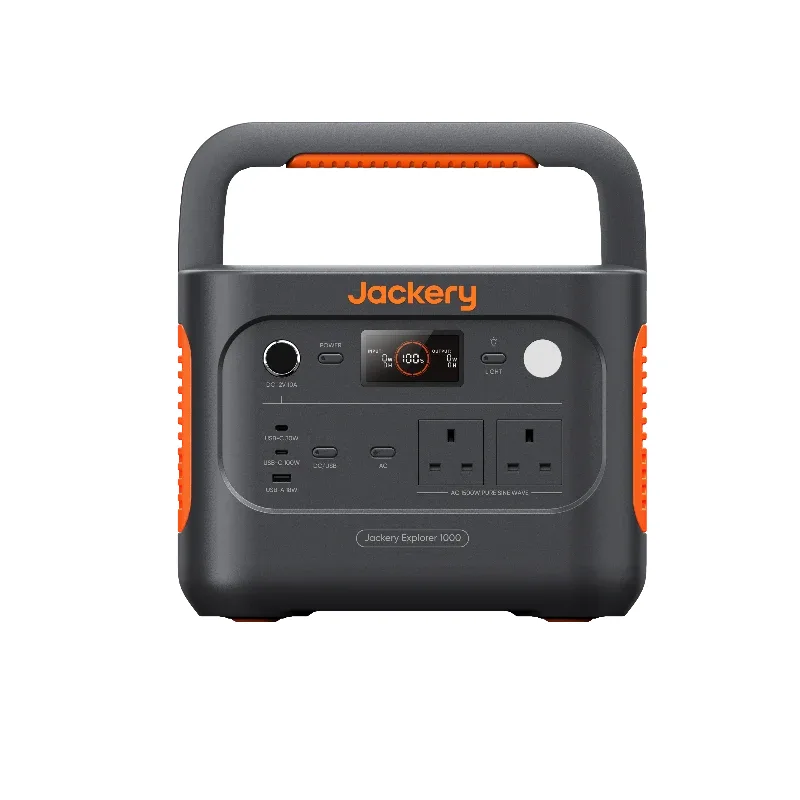
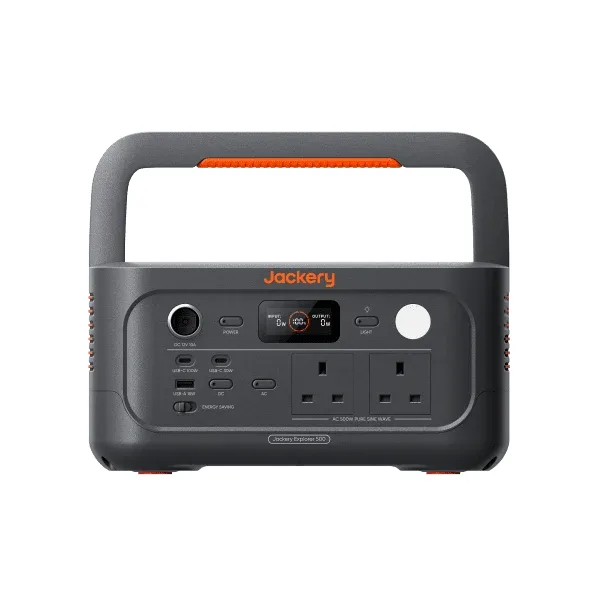
A 1,070 Wh LiFePO4 unit rated for 1,500 W with a certified 20 ms UPS and low noise.
- Capacity: 1,070 Wh
- AC output: 1,500 W
- Battery: LiFePO4
- Cycle life: 4000
Why it is here: The UPS is listed at 20 ms or less with IEC 62040 certification.
- 2
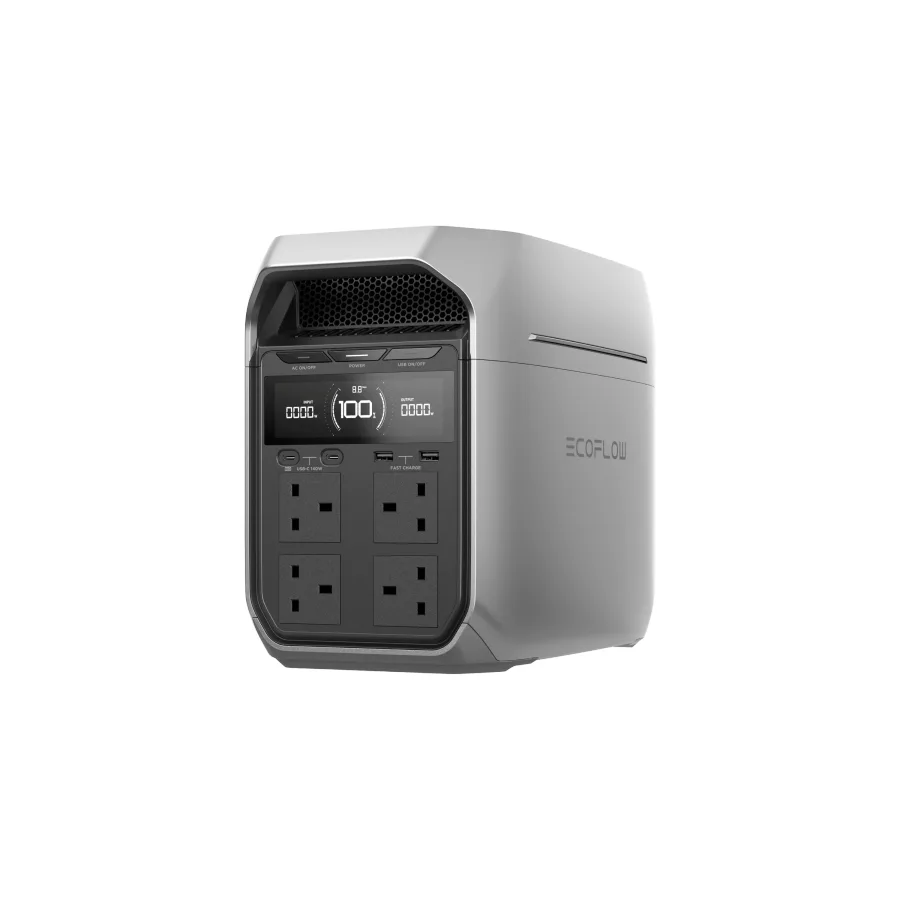
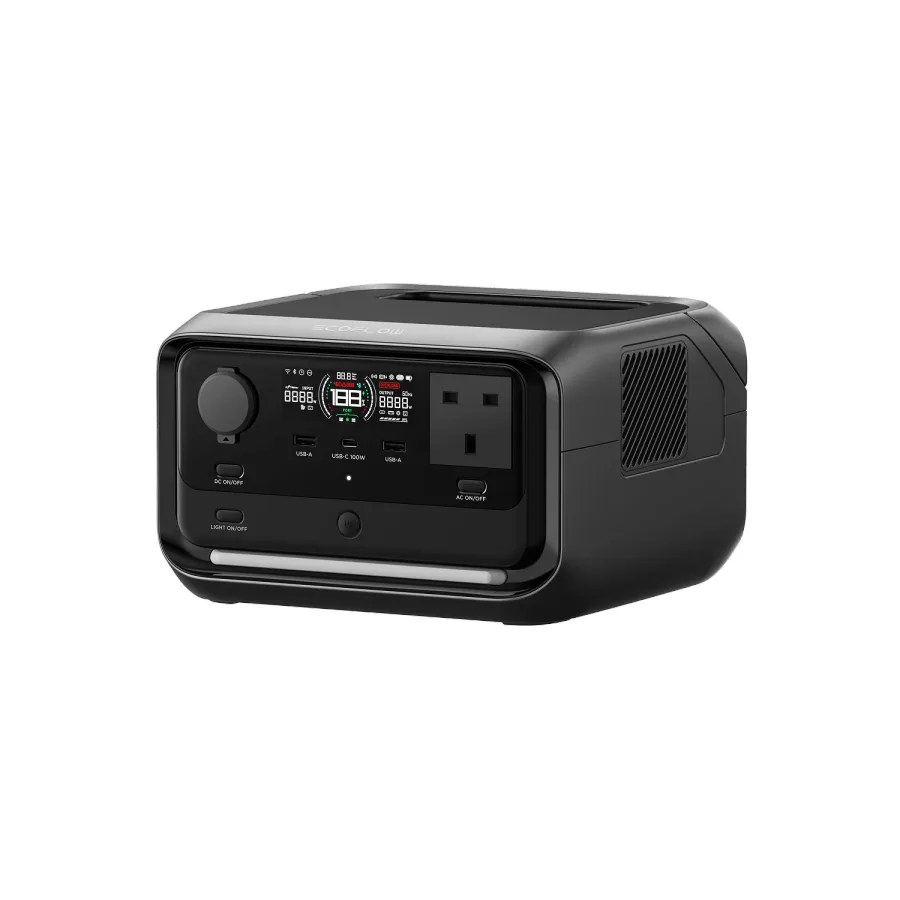
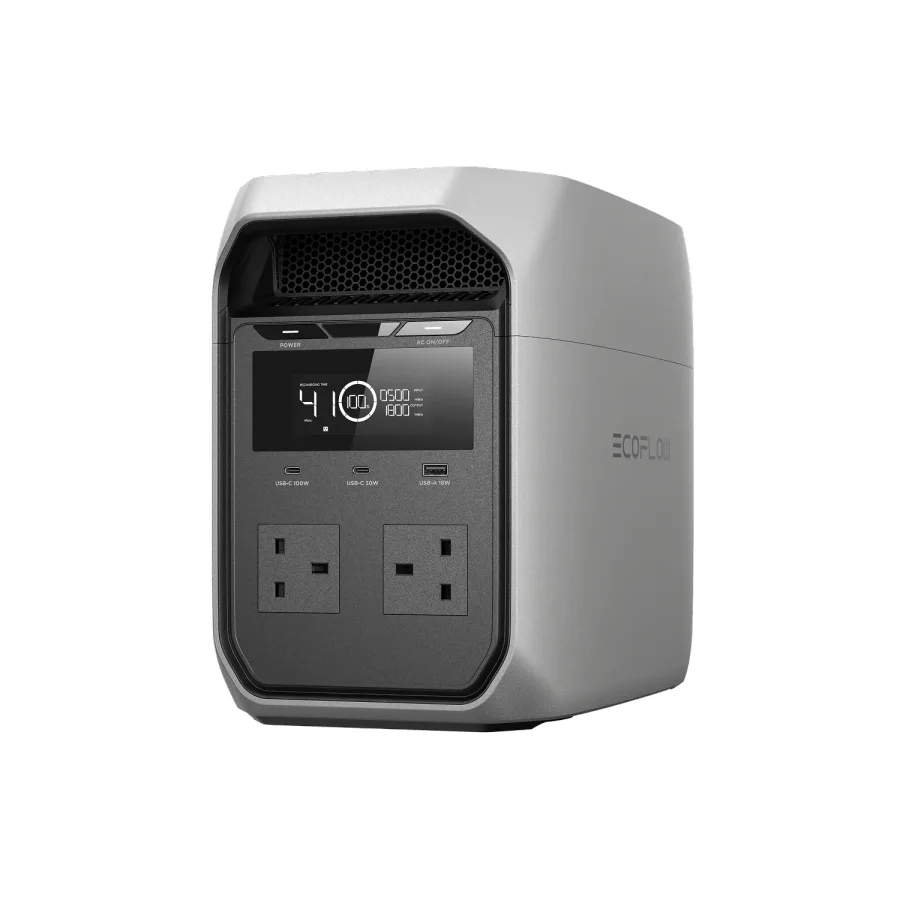
A 1,024 Wh LFP unit rated for 1,800 W with 1,000 W solar and expansion to 5 kWh.
- Capacity: 1,024 Wh
- AC output: 1,800 W
- Battery: LFP
- Cycle life: 4000 to 80%
Why it is here: A 1,000 W solar input is among the higher figures on this list.
- 3
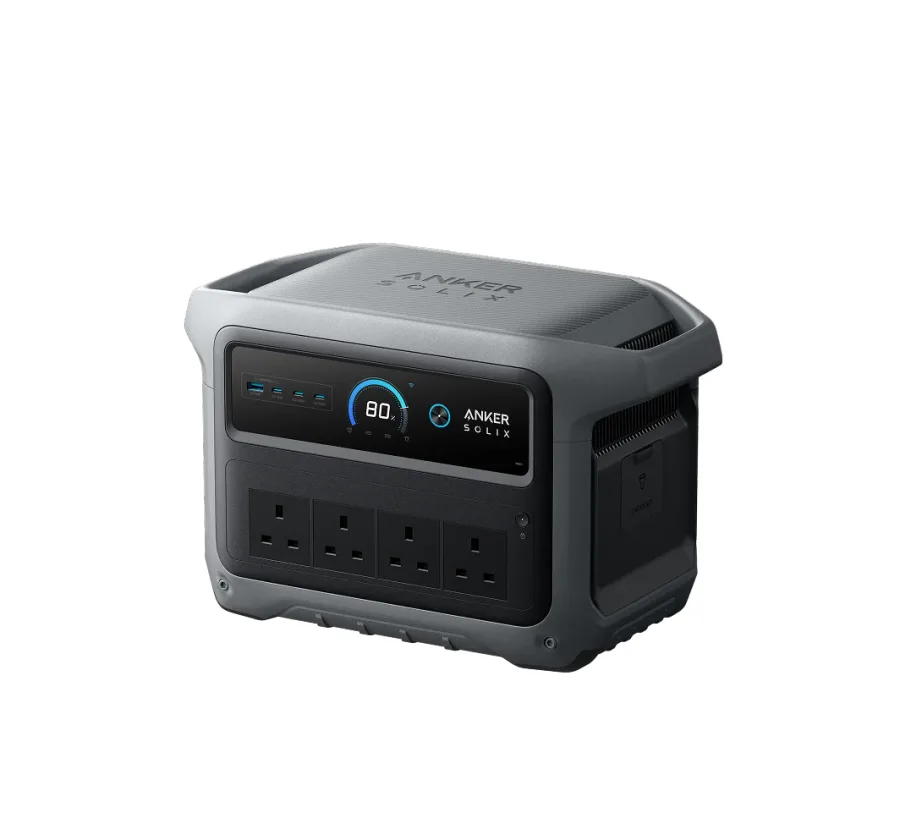
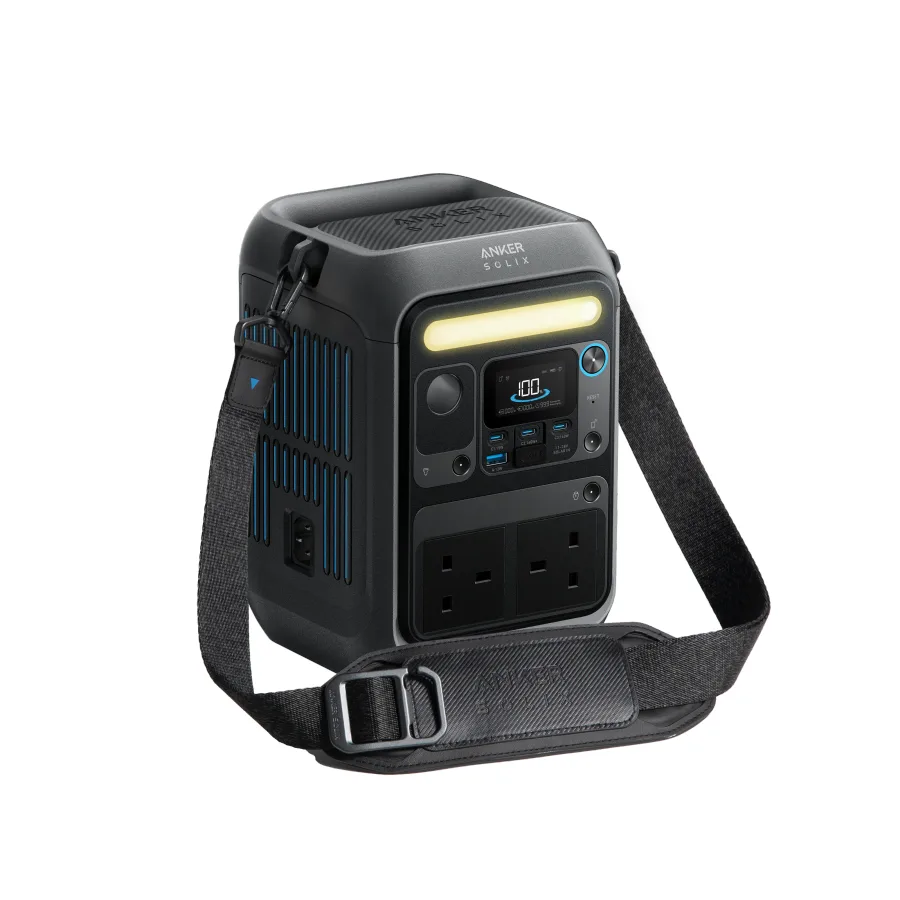
A 1,024 Wh LFP unit rated for 2,000 W that fills in 49 minutes in HyperFlash mode.
- Capacity: 1,024 Wh
- AC output: 2,000 W
- Battery: LFP
- Cycle life: 4000 (80% retained)
Why it is here: The 2,000 W rating beats the 1,800 W listed for three 1 kWh units here.
- 4
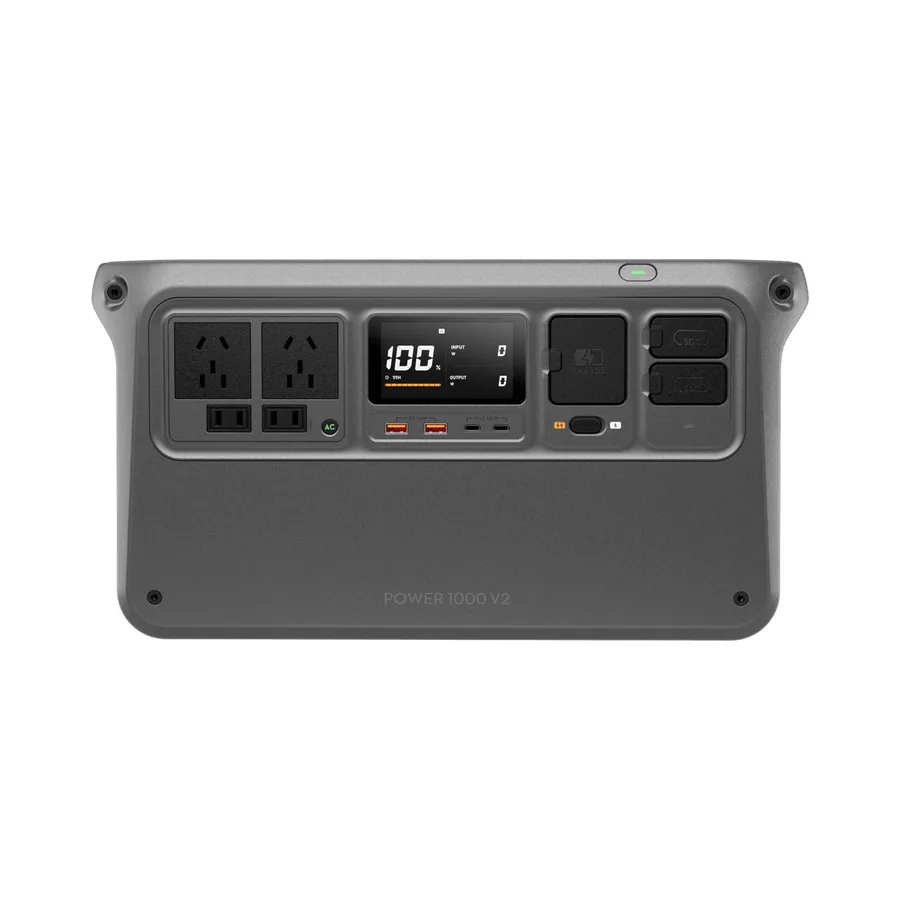
A 1,024 Wh LFP unit rated for 2,600 W with dual 140 W USB-C and 26 dB noise.
- Capacity: 1,024 Wh
- AC output: 2,600 W
- Battery: LFP
- Cycle life: 4000 (80% retained)
Why it is here: A 2,600 W rating is well above the 1,800 W listed for several 1 kWh units here.
- 5
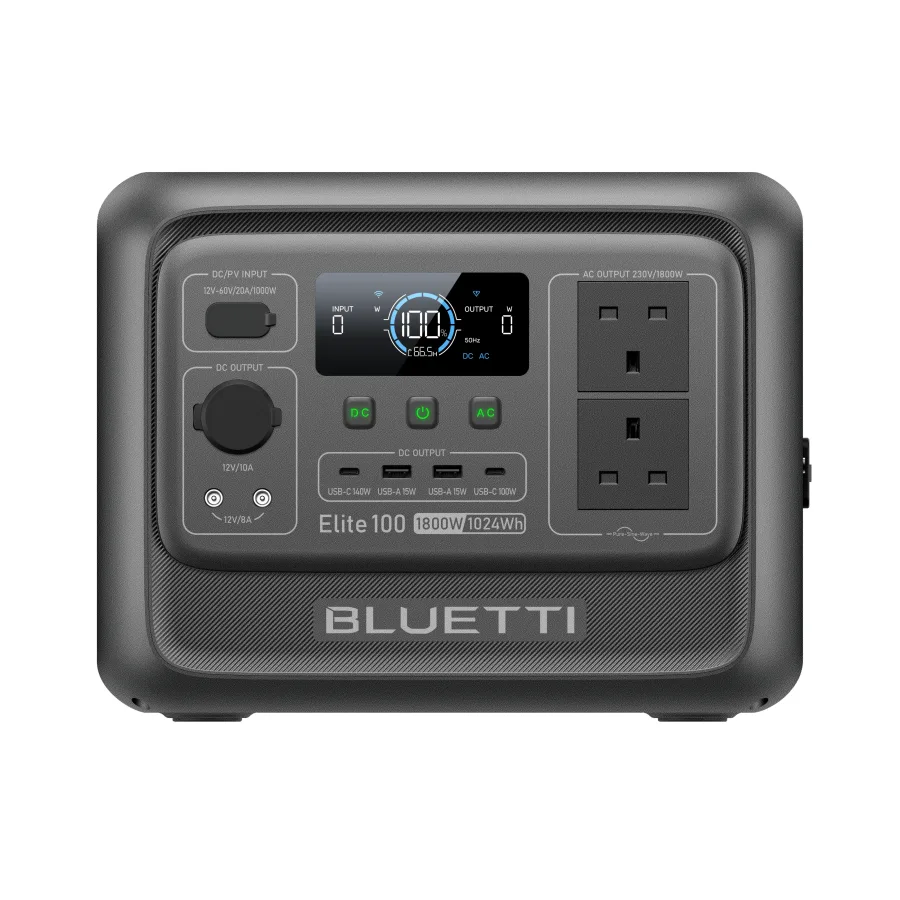
A 1,024 Wh LiFePO4 unit rated for 1,800 W with 11 ports and 80 percent in 45 minutes.
- Capacity: 1,024 Wh
- AC output: 1,800 W
- Battery: LiFePO4
- Cycle life: 4000+
Why it is here: A 1,000 W solar input matches the higher figures among 1 kWh units here.
- 6
A 2,048 Wh LFP unit rated for 3,000 W at 22 kg that DJI lists as its largest.
- Capacity: 2,048 Wh
- AC output: 3,000 W
- Battery: LFP
- Cycle life: 4000
Why it is here: A 3,000 W rating sits above the 2,200 W to 2,600 W on three other 2 kWh units.
- 7
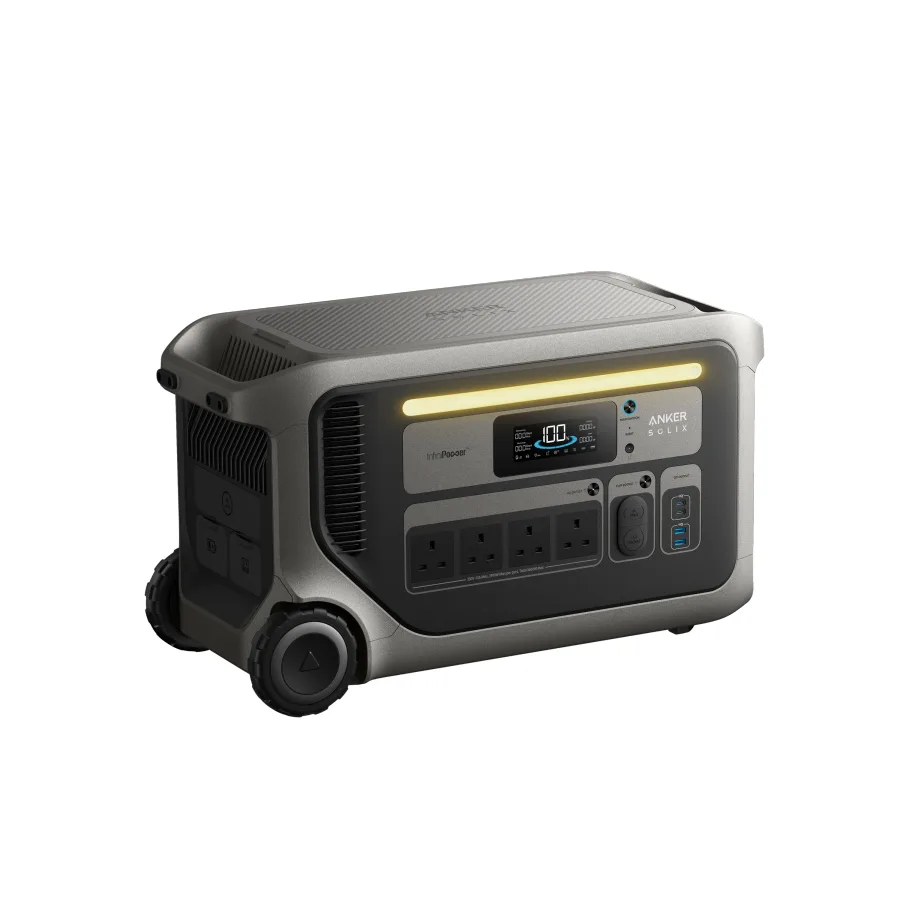
A 3,072 Wh unit rated for 3,600 W with a 2,400 W solar input built for home backup.
- Capacity: 3,072 Wh
- AC output: 3,600 W
- Solar input: 2,400 W
Why it is here: A 2,400 W solar input is more than double most figures listed here.
- 8
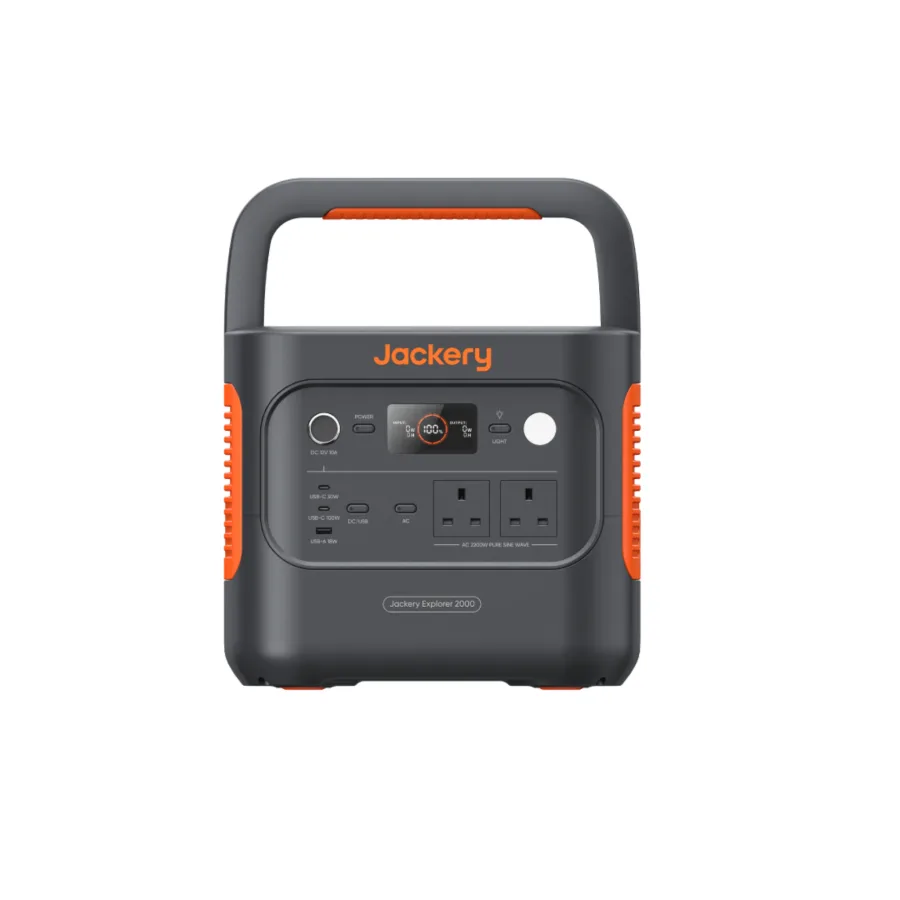
A 2,042 Wh LiFePO4 unit rated for 2,200 W at 17.5 kg with a 20 ms UPS.
- Capacity: 2,042 Wh
- AC output: 2,200 W
- Battery: LiFePO4
- Cycle life: 4000
Why it is here: Jackery lists it as the lightest and smallest 2 kWh LFP unit.
- 9
A 286 Wh LiFePO4 unit at 4.7 kg rated for 600 W with a UPS under 10 ms.
- Capacity: 286 Wh
- AC output: 600 W
- Battery: LiFePO4
- Cycle life: 3000 to 80%
Why it is here: A UPS under 10 ms is listed with two rear AC outlets meant for UPS cabling.
- 10
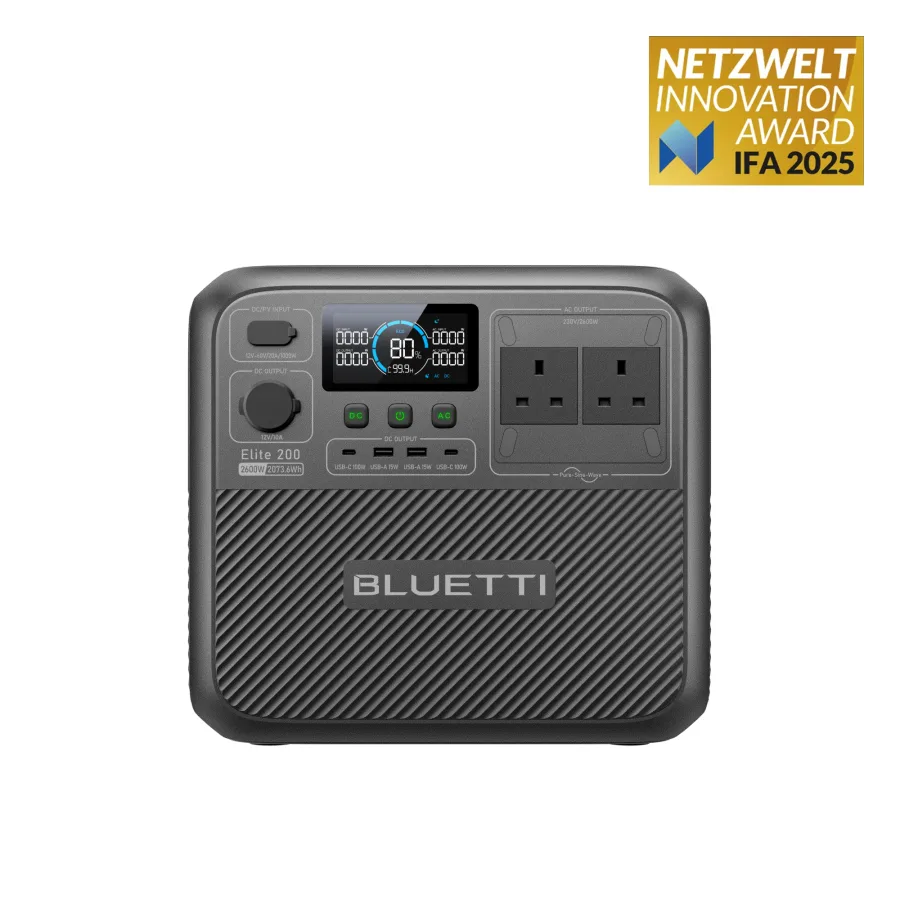
A 2,073.6 Wh LiFePO4 unit rated for 2,600 W with Power Lifting up to 3,900 W for kettles.
- Capacity: 2,073.6 Wh
- AC output: 2,600 W
- Battery: LiFePO4
Why it is here: Power Lifting up to 3,900 W is listed for kettles and heaters.
- 11
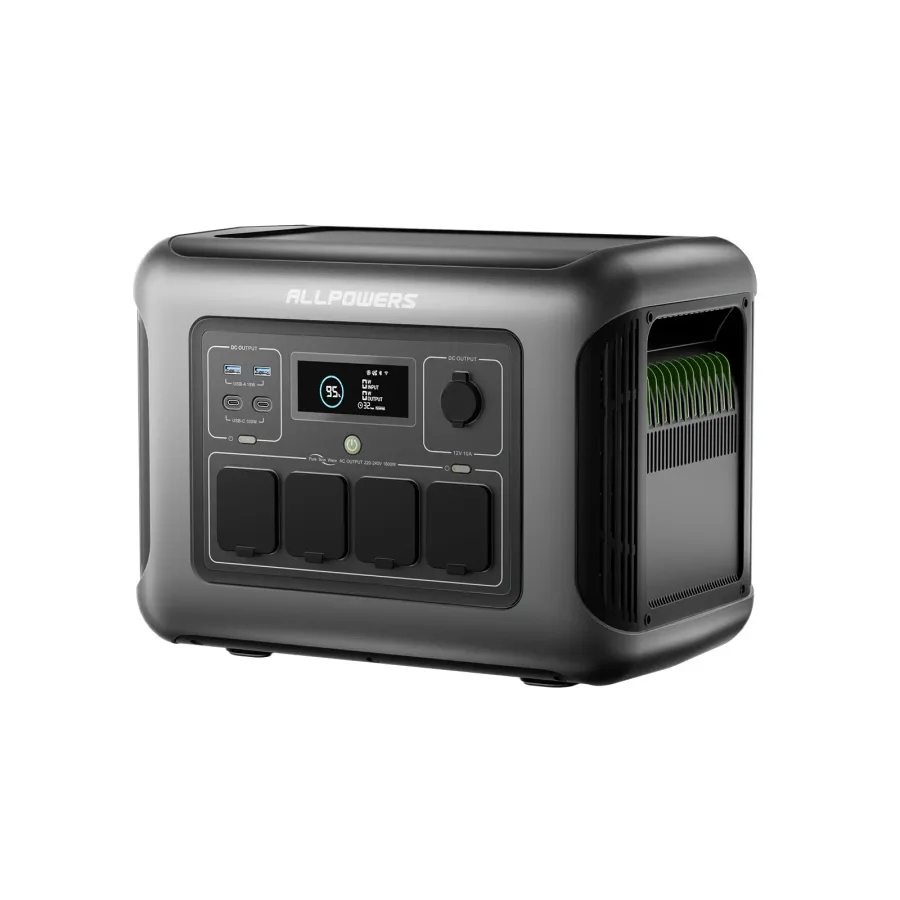
A 1,056 Wh LiFePO4 unit rated for 1,600 W with 650 W solar input and 90 minute charging.
- Capacity: 1,056 Wh
- AC output: 1,600 W
- Battery: LiFePO4
- AC outlets: 4 (Amazon listing via search)
Why it is here: A 650 W solar input is rated to fill the pack in 2 to 2.5 hours.
- 12
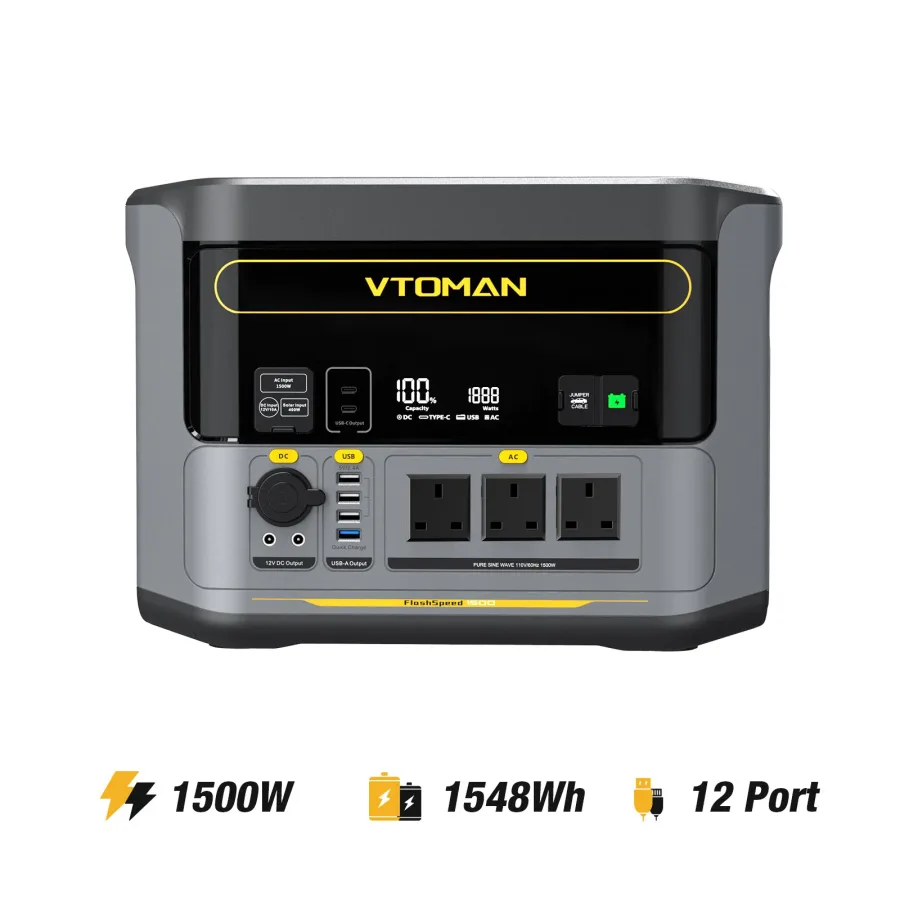
A 1,548 Wh LiFePO4 unit rated for 1,500 W at 230 V with a one hour mains charge.
- Capacity: 1,548 Wh
- AC output: 1,500 W
- Battery: LiFePO4
- Cycle life: 3000+
Why it is here: The UK version is listed with a 230 V 1,500 W AC output.
- 13
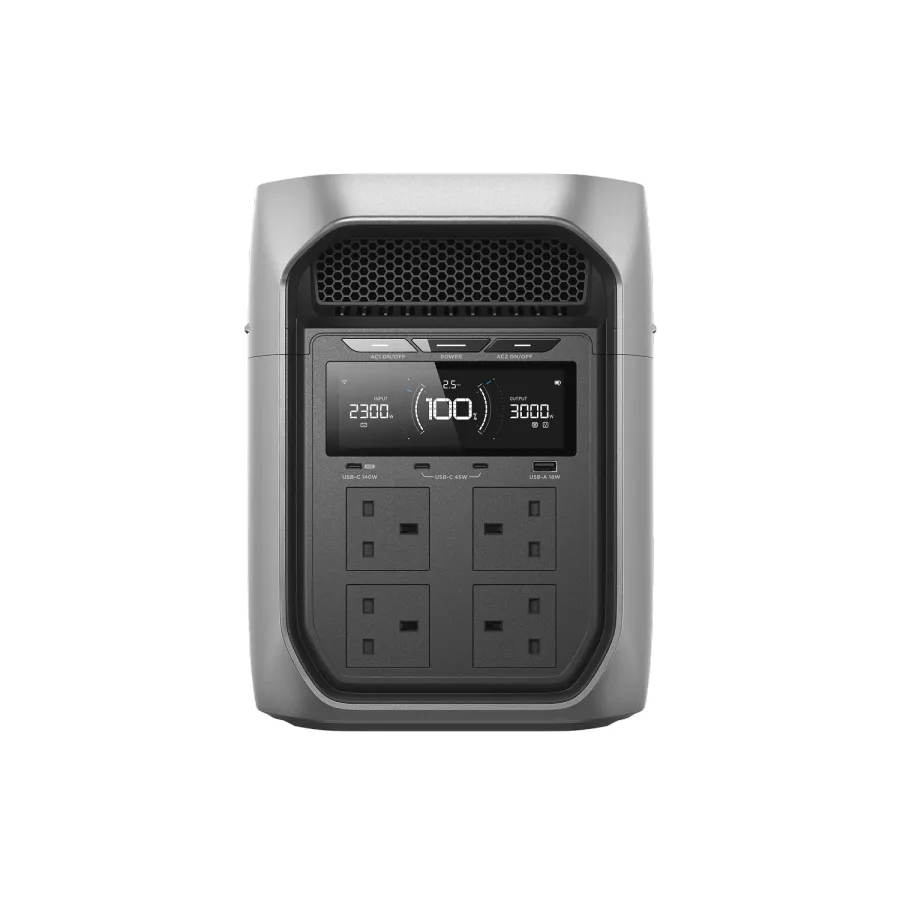
A 2,048 Wh LFP unit rated for 3,000 W with 6,000 W surge and expansion to 10 kWh.
- Capacity: 2,048 Wh
- AC output: 3,000 W
- Battery: LFP (full-tab cells)
- UPS switchover: <10
Why it is here: A 3,000 W rating tops the 2,200 W to 2,600 W listed for most 2 kWh units here.
- 14
A 1,024 Wh LFP unit rated for 1,800 W with a 10 ms UPS and 3,600 W surge.
- Capacity: 1,024 Wh
- AC output: 1,800 W
- Battery: LFP
- UPS switchover: 10 ms
Why it is here: A 10 ms UPS is listed for devices that must stay on.
- 15
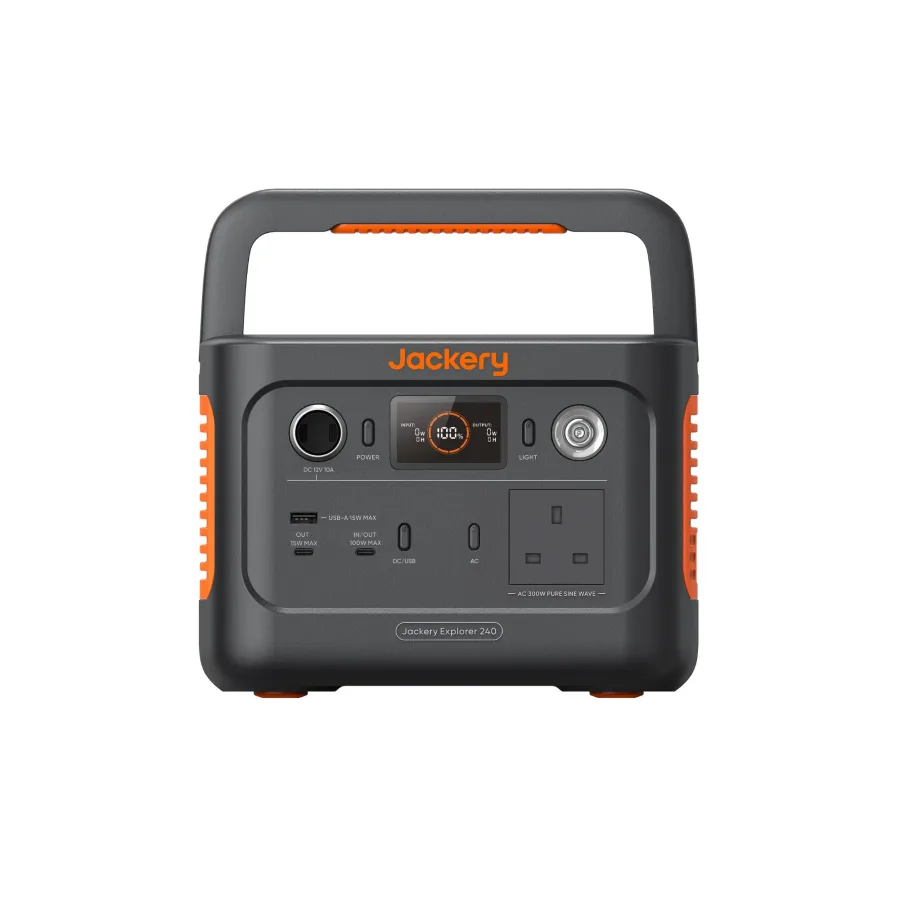
A 256 Wh LiFePO4 unit rated for 300 W with 100 W USB-C and a 20 ms UPS.
- Capacity: 256 Wh
- AC output: 300 W
- Battery: LiFePO4
- Cycle life: 3000
Why it is here: The 20 ms UPS is IEC 62040 certified per the maker.
- 16
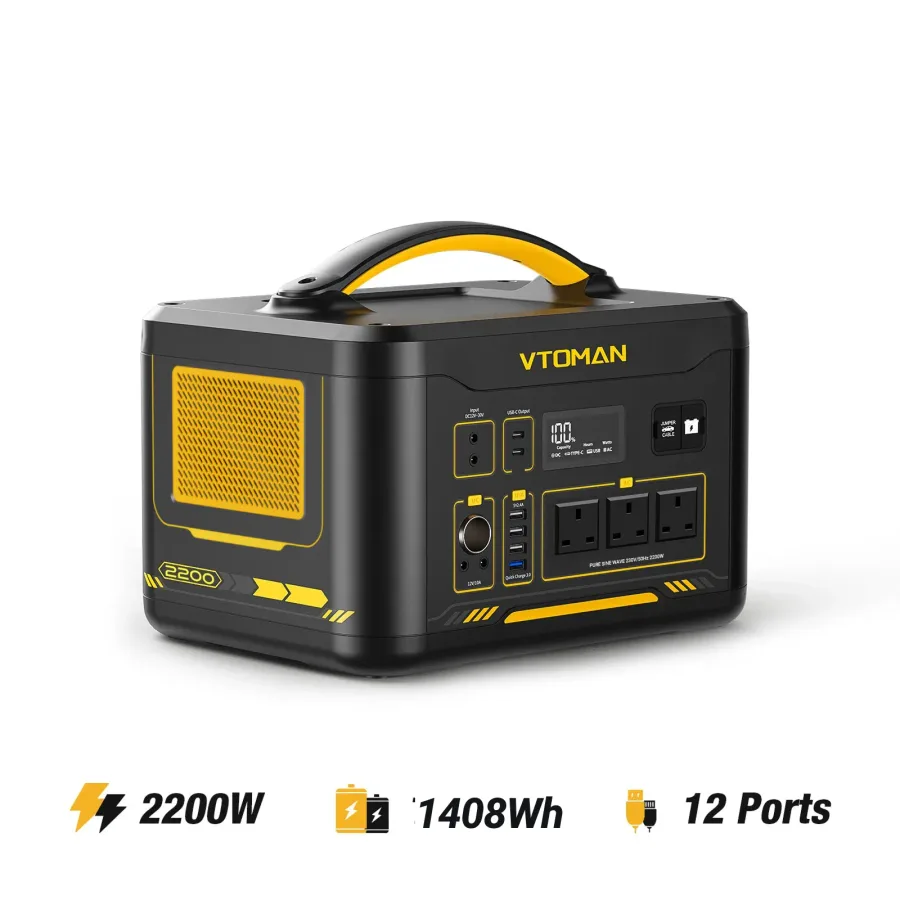
A 1,408 Wh unit rated for 2,200 W with a 4,400 W peak via V-Beyond.
- Capacity: 1,408 Wh
- AC output: 2,200 W
Why it is here: A 2,200 W rating is listed for a microwave or a fridge per the brand.
- 17
A 288 Wh LFP unit rated for 300 W with 140 W two way USB-C and seven ports.
- Capacity: 288 Wh
- AC output: 300 W
- Battery: LFP
- Solar input: 100 W
Why it is here: A 140 W USB-C port charges a laptop and refills the unit.
- 18
A 512 Wh LiFePO4 unit rated for 500 W and 6,000 cycles that charges in about an hour.
- Capacity: 512 Wh
- AC output: 500 W
- Battery: LiFePO4
- Cycle life: 6000
Why it is here: A 6,000 cycle rating is the figure the maker gives for long service.
- 19
A 2,048 Wh LiFePO4 unit rated for 2,400 W with adjustable mains charging up to 1,800 W.
- Capacity: 2,048 Wh
- AC output: 2,400 W
- Battery: LiFePO4
- Cycle life: 3500+
Why it is here: Charging adjusts from 400 W to 1,800 W so you can pick the draw on your socket.
Head-to-head comparisons
All power stations side by side
Specs from the makers. Scroll sideways on a phone to see every column.
| Model | Score | Capacity | AC output | Battery | Cycle lifemaker's rating | AC outlets | Solar input | UPS switchover | Weight |
|---|---|---|---|---|---|---|---|---|---|
| Jackery Explorer 1000 v2 | 9.2 | 1,070 Wh | 1,500 W | LiFePO4 | 4000 | 2 (Amazon UK listing via search) | - | 20 ms | - |
| EcoFlow DELTA 3 Plus | 8.8 | 1,024 Wh | 1,800 W | LFP | 4000 to 80% | 4 (TechRadar spec box) | 1,000 W | <10 | - |
| Anker SOLIX C1000 Gen 2 | 8.6 | 1,024 Wh | 2,000 W | LFP | 4000 (80% retained) | - | 600 W | <10 | - |
| DJI Power 1000 V2 | 8.4 | 1,024 Wh | 2,600 W | LFP | 4000 (80% retained) | - | - | - | 14.2 kg (31.3 lb) |
| BLUETTI Elite 100 V2 | 8.3 | 1,024 Wh | 1,800 W | LiFePO4 | 4000+ | - | 1,000 W | 10 ms | 11.5 kg (25.4 lb) |
| DJI Power 2000 | 8.2 | 2,048 Wh | 3,000 W | LFP | 4000 | - | - | - | 22 kg (48.5 lb) |
| Anker SOLIX F3000 | 8.1 | 3,072 Wh | 3,600 W | - | - | - | 2,400 W | - | - |
| Jackery Explorer 2000 v2 | 8.0 | 2,042 Wh | 2,200 W | LiFePO4 | 4000 | 2 (UK product page text) | 400W input gives full charge in 5.5 h (Jackery charging table; maximum not stated) | 20 ms | - |
| EcoFlow RIVER 3 Plus | 7.9 | 286 Wh | 600 W | LiFePO4 | 3000 to 80% | - | 220 W | <10 | 4.7 kg (10.4 lb) |
| BLUETTI Elite 200 V2 | 7.8 | 2,073.6 Wh | 2,600 W | LiFePO4 | - | - | - | - | - |
| ALLPOWERS R1500 LITE | 7.8 | 1,056 Wh | 1,600 W | LiFePO4 | - | 4 (Amazon listing via search) | 650 W | 15 (Amazon listing via search; brand page says 24/7 UPS without ms) | - |
| VTOMAN FlashSpeed 1500 | 7.8 | 1,548 Wh | 1,500 W | LiFePO4 | 3000+ | - | 400 W | - | - |
| EcoFlow DELTA 3 Max | 7.7 | 2,048 Wh | 3,000 W | LFP (full-tab cells) | - | - | - | <10 | - |
| EcoFlow DELTA 3 Classic | 7.7 | 1,024 Wh | 1,800 W | LFP | - | - | - | 10 ms | - |
| Jackery Explorer 240 v2 | 7.5 | 256 Wh | 300 W | LiFePO4 | 3000 | - | - | 20 ms | - |
| VTOMAN Jump 2200 | 7.4 | 1,408 Wh | 2,200 W | - | - | - | - | - | - |
| Anker SOLIX C300X | 7.3 | 288 Wh | 300 W | LFP | - | - | 100 W | - | - |
| Jackery Explorer 500 v2 | 7.3 | 512 Wh | 500 W | LiFePO4 | 6000 | - | - | - | 5.7 kg (12.6 lb) |
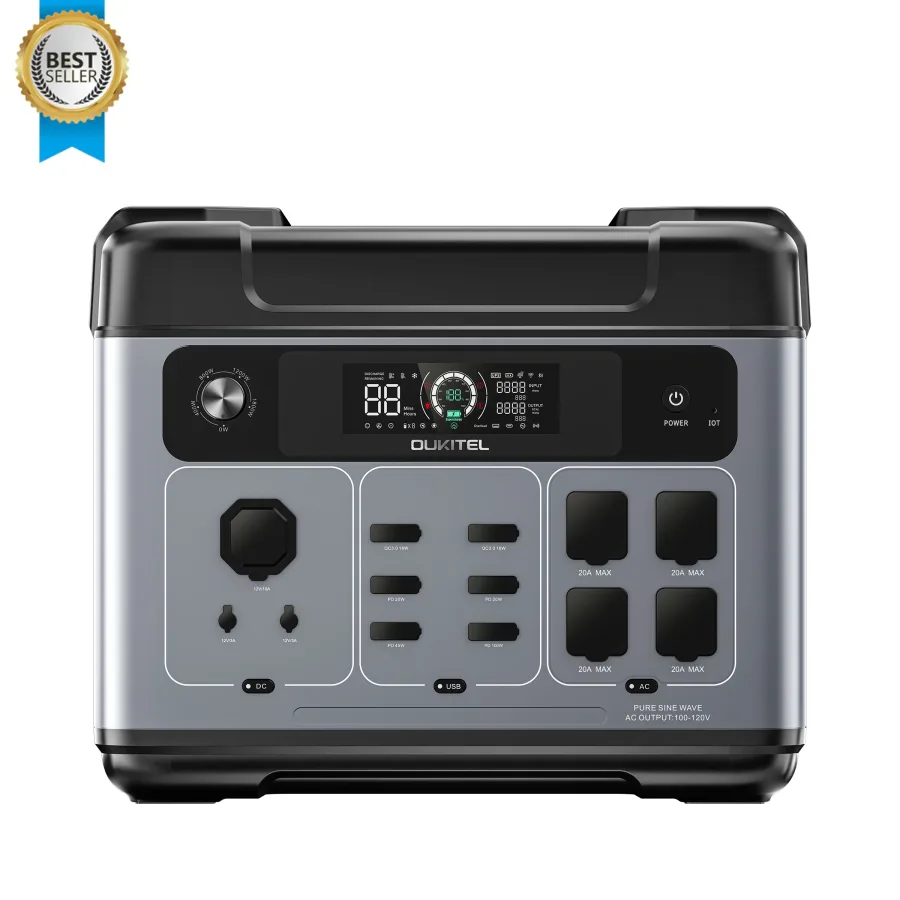
| OUKITEL P2001 Plus | 6.9 | 2,048 Wh | 2,400 W | LiFePO4 | 3500+ | - | 500 W | <10 (EPS, up to 1400W) | - |
Frequently asked questions
Can a portable power station be used as a UPS?
Many units here list a UPS mode with a switchover time from the maker. The EcoFlow DELTA 3 models and the RIVER 3 Plus list 10 ms or less. The Anker SOLIX C1000 Gen 2 and the BLUETTI Elite 100 V2 list 10 ms too. Jackery lists 20 ms on three Explorer models. The OUKITEL P2001 Plus lists an EPS mode under 10 ms up to 1,400 W.
How long does a portable power station last?
Two things wear. The battery is rated in cycles by the maker. Units on this list give 3,000 to 6,000 cycles where stated. The Jackery Explorer 500 v2 lists 6,000. Most others list 3,000 to 4,000 cycles often to 80 percent retained capacity. Per charge the runtime depends on the Wh capacity and the load in watts. A larger load drains the same pack faster.
Jackery vs BLUETTI vs EcoFlow vs Anker: how do they differ?
The four brands overlap around 1 kWh here. Jackery lists a 20 ms UPS and noise under 22 dB on the Explorer 1000 v2. EcoFlow lists a 10 ms UPS and expansion to 5 kWh on the DELTA 3 Plus. Anker lists 2,000 W and a 49 minute charge on the SOLIX C1000 Gen 2. BLUETTI lists 11 ports and 1,000 W of solar on the Elite 100 V2.
Shopping in the US? See the US shortlist of power stations
Some links on this site are affiliate links. If you buy something after clicking one, the store may pay us a commission. The price stays the same for you, and commissions do not decide which emergency supplies we recommend. Specs come from the makers; range and battery life are their claims. Our method.