The best portable power stations for power outages
Portable power stations and solar generators for power outages.
Updated October 6, 2026
A portable power station is a battery with an inverter and outlets. The CPSC warns never to run a portable generator indoors or in a garage. The reason is carbon monoxide. Ready.gov advises planning for batteries and other alternative power sources for power outages.
Capacity in Wh sets how long devices run. Output in watts sets what can run at all. Both are maker figures. Every unit on this list uses LiFePO4 or LFP cells. Fifteen of the seventeen list a cycle rating of 3,000 or more. Eleven are listed as expandable.
The shortlist, ranked
How the score works- 1
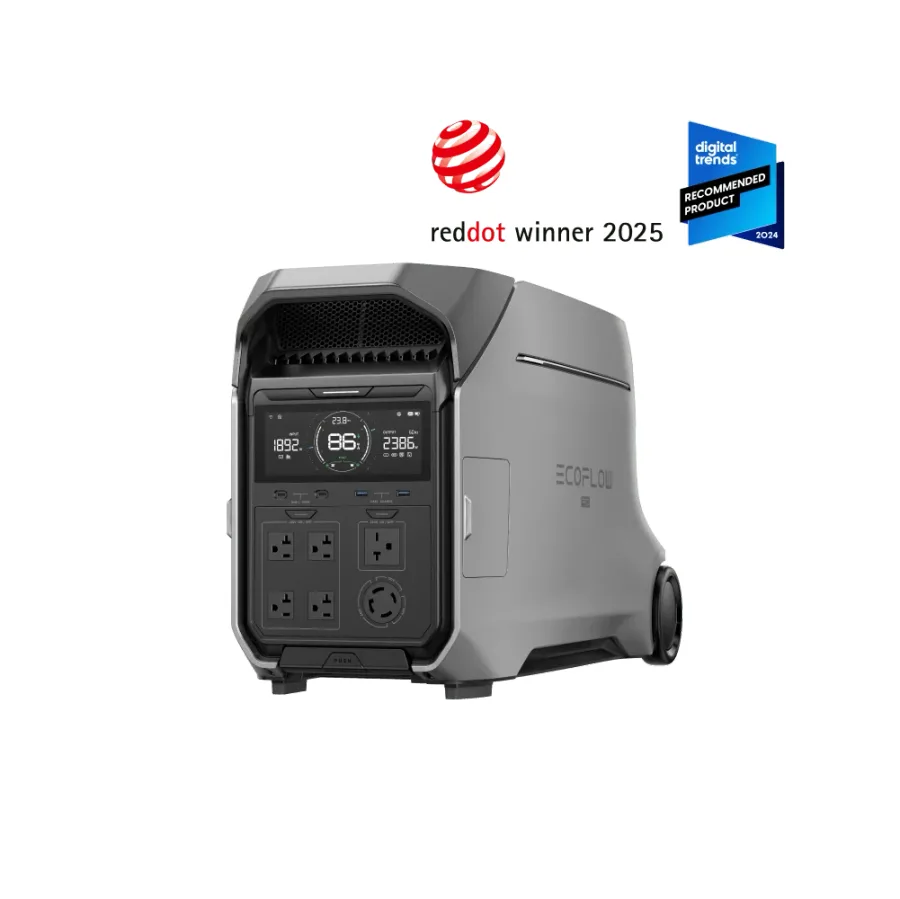
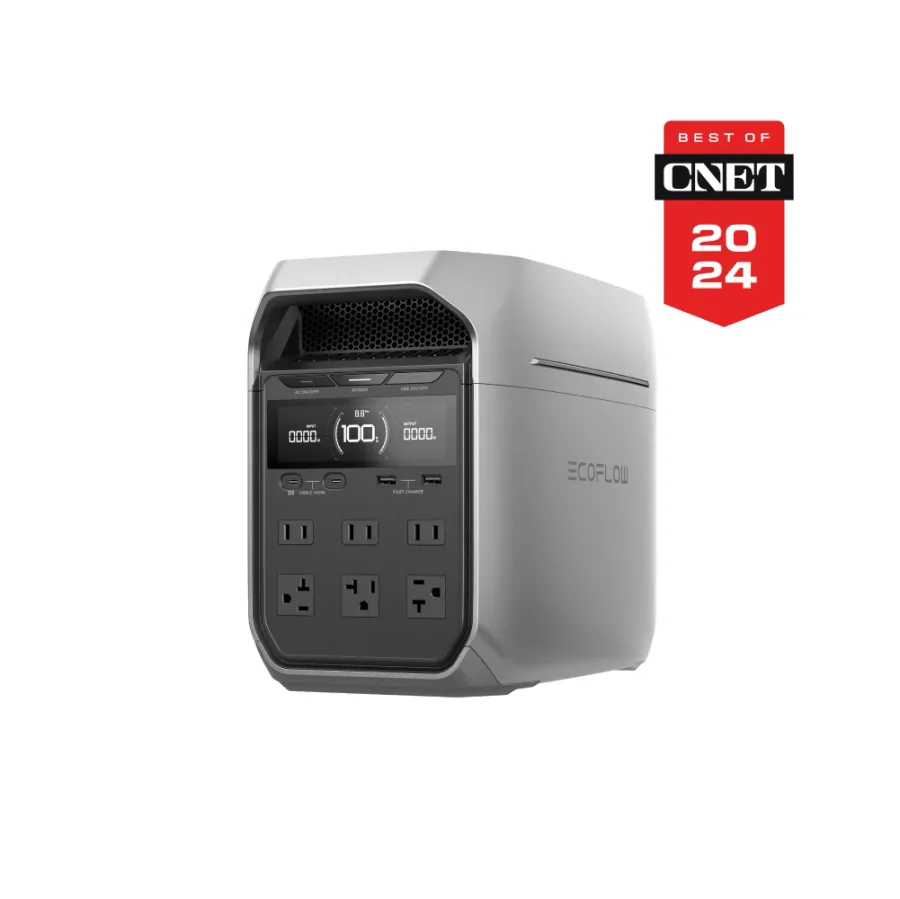
A 4,096 Wh LFP station rated for 4,000 W with 240 V output and 2,600 W solar input.
- Capacity: 4,096 Wh
- AC output: 4,000 W
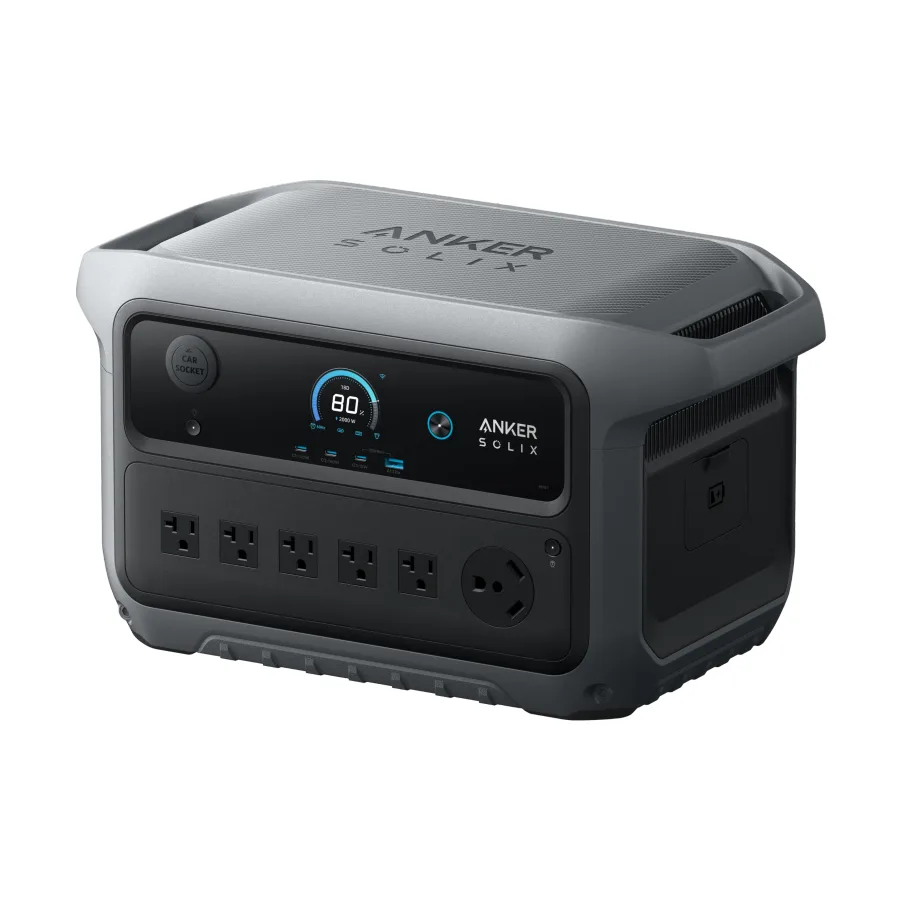
- Battery: LFP
- Cycle life: 4000 cycles to 80%
Why it is here: The 240 V output is listed alongside 120 V for larger home circuits.
- 2
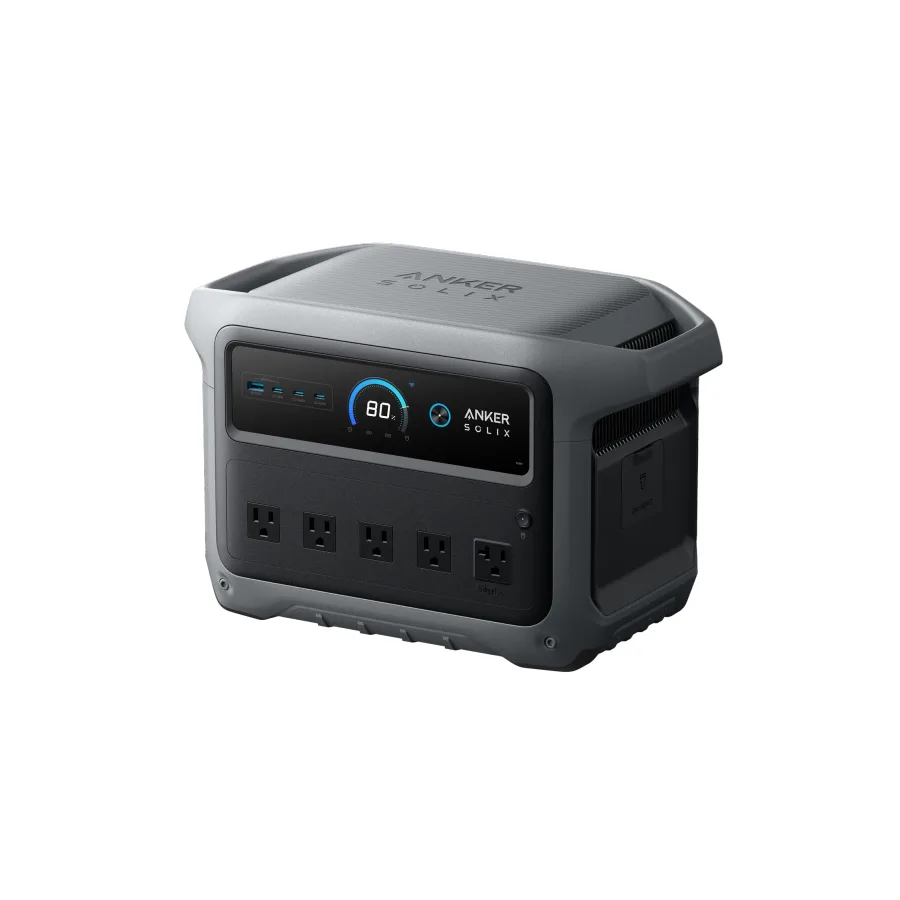
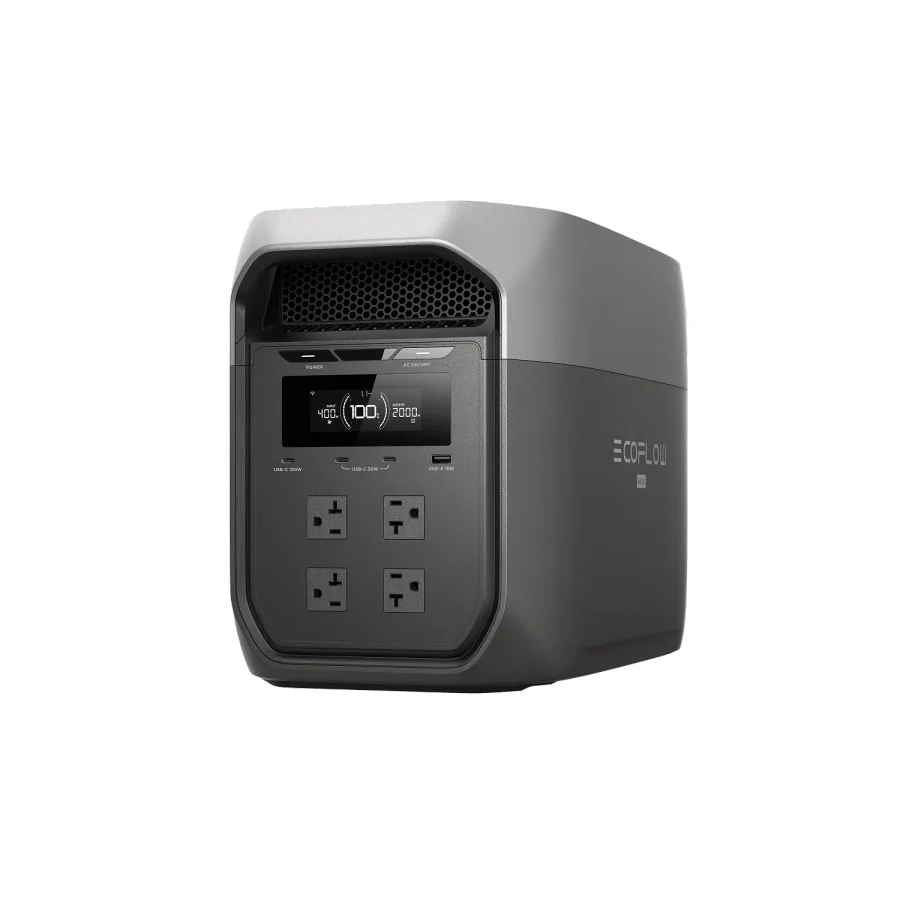
A 1,024 Wh LiFePO4 station rated for 2,000 W that the maker says recharges in 49 minutes.
- Capacity: 1,024 Wh
- AC output: 2,000 W
- Battery: LiFePO4
- Cycle life: 4000 cycles to 80%
Why it is here: The maker lists 0 to 100 percent from the wall in 49 minutes.
- 3
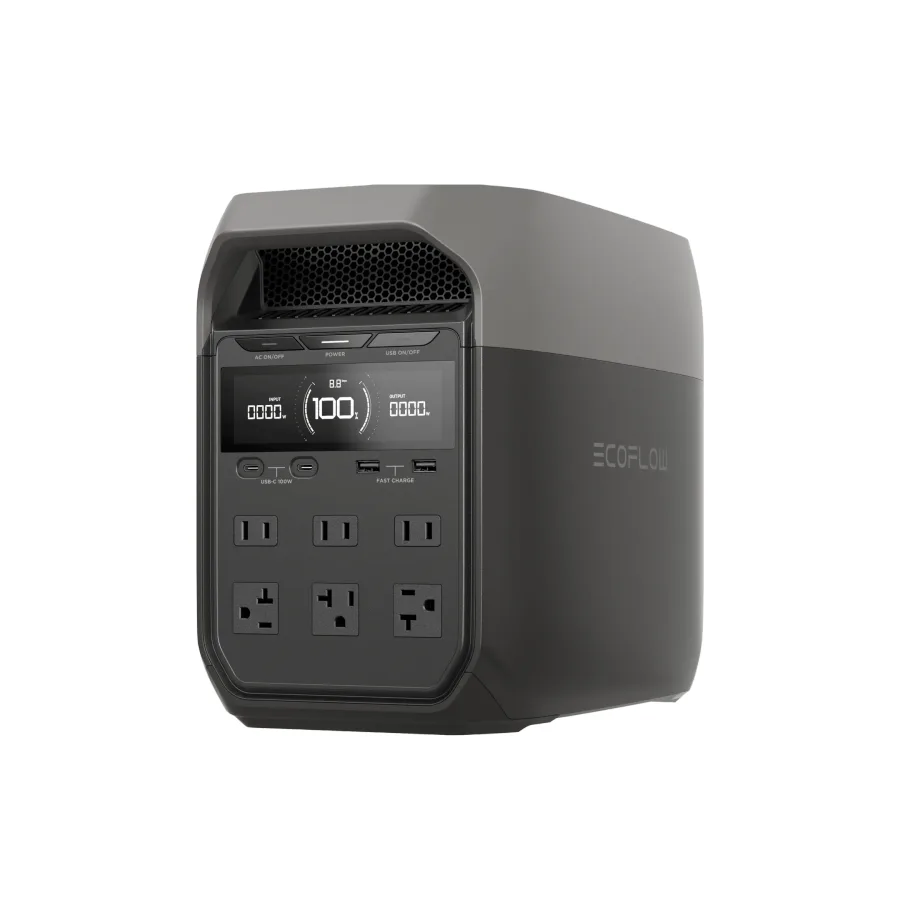
A 1,024 Wh LFP station rated for 1,800 W with six AC outlets and 500 W solar input.
- Capacity: 1,024 Wh
- AC output: 1,800 W
- Battery: LFP (LiFePO4)
- Cycle life: 4000 cycles to 80%+
Why it is here: A 500 W solar input is rated to fill the pack in about 2 hours.
- 4
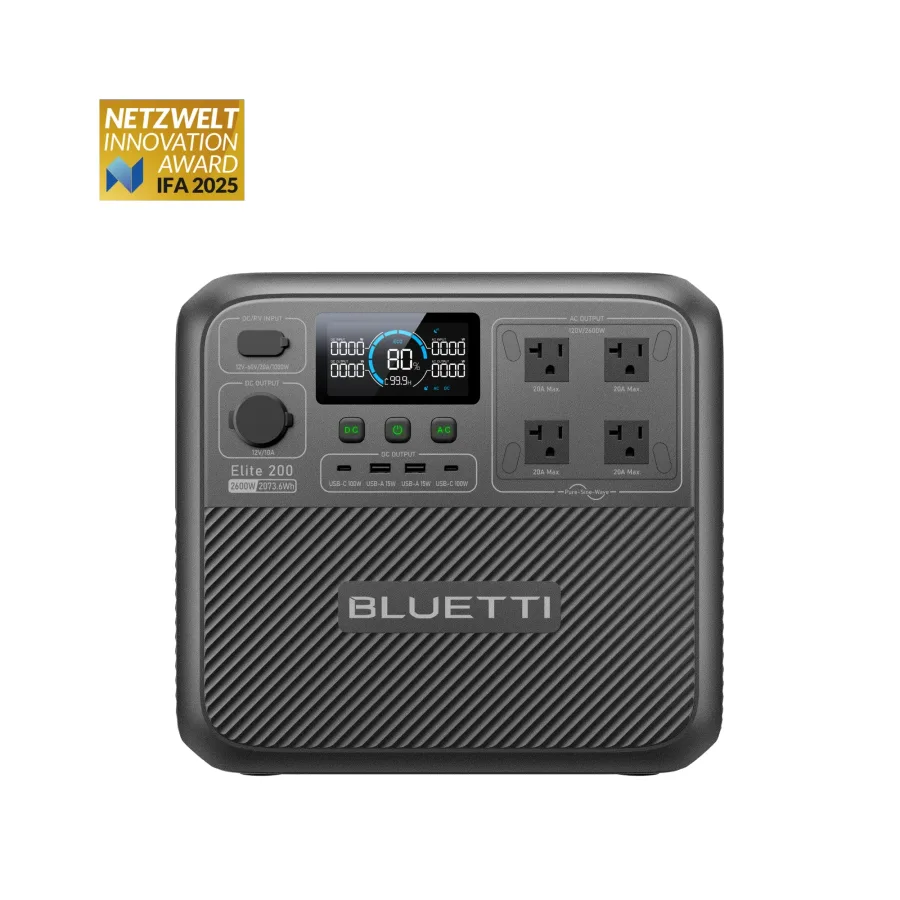
A 2,073.6 Wh LiFePO4 station rated for 2,600 W with four 20 A outlets and 1,200 W solar.
- Capacity: 2,073.6 Wh
- AC output: 2,600 W
- Battery: LiFePO4
- AC outlets: 4
Why it is here: A 2,600 W rating exceeds the 2,400 W listed for other 2 kWh units here.
- 5
A 1,024 Wh LFP station rated for 1,800 W with 10 ms UPS and 1,000 W solar input.
- Capacity: 1,024 Wh
- AC output: 1,800 W
- Battery: LFP (LiFePO4)
- Cycle life: 4000 cycles to 80%+
Why it is here: Six AC outlets mean fewer power strips when several devices need the same unit.
- 6
A 2,048 Wh LFP station rated for 2,400 W with three USB-C ports and a 10 ms UPS.
- Capacity: 2,048 Wh
- AC output: 2,400 W
- Battery: LFP (LiFePO4)
- Solar input: 500 W
Why it is here: Three USB-C ports cover a laptop and two phones without an adapter.
- 7
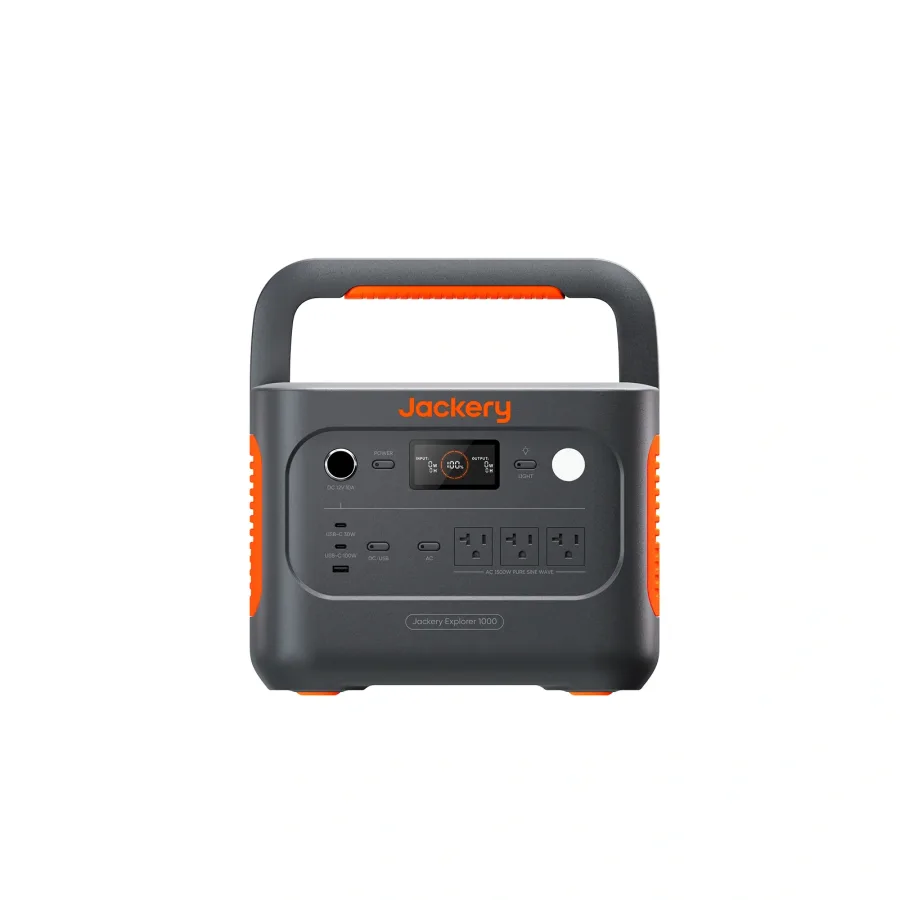
A 1,070 Wh LiFePO4 station rated for 1,500 W with two USB-C ports and 400 W solar input.
- Capacity: 1,070 Wh
- AC output: 1,500 W
- Battery: LiFePO4
- Cycle life: 4000 cycles to 70%+
Why it is here: Two USB-C ports deliver 30 W and 100 W for laptops and phones.
- 8
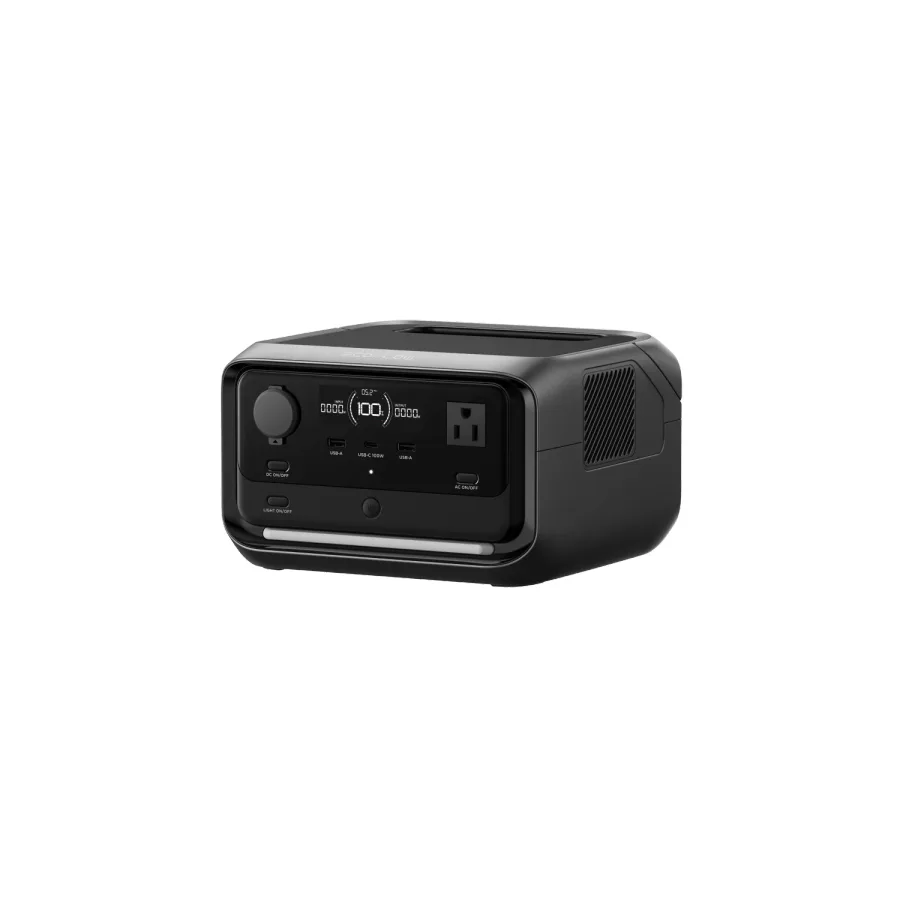
A 286 Wh LiFePO4 unit at 10.4 lb with 600 W output and a 10 ms UPS.
- Capacity: 286 Wh
- AC output: 600 W
- Battery: LiFePO4
- Cycle life: 3000 cycles to 80%
Why it is here: The 10 ms UPS is listed by the maker for a router or a PC.
- 9
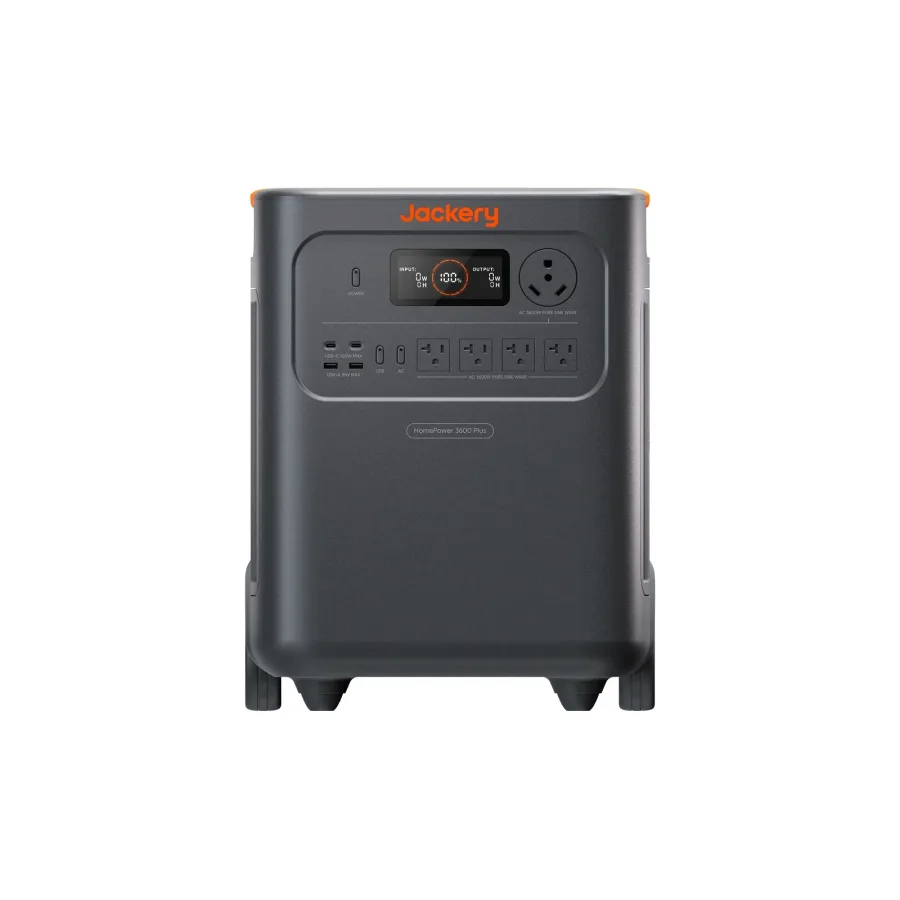
A 3,584 Wh wheeled station rated for 3,600 W with a 30 A outlet and 240 V pairing.
- Capacity: 3,584 Wh
- AC output: 3,600 W
- Battery: LiFePO4
- Cycle life: 6000 cycles to 70%+
Why it is here: A 120 V 30 A outlet sits alongside four 20 A outlets.
- 10
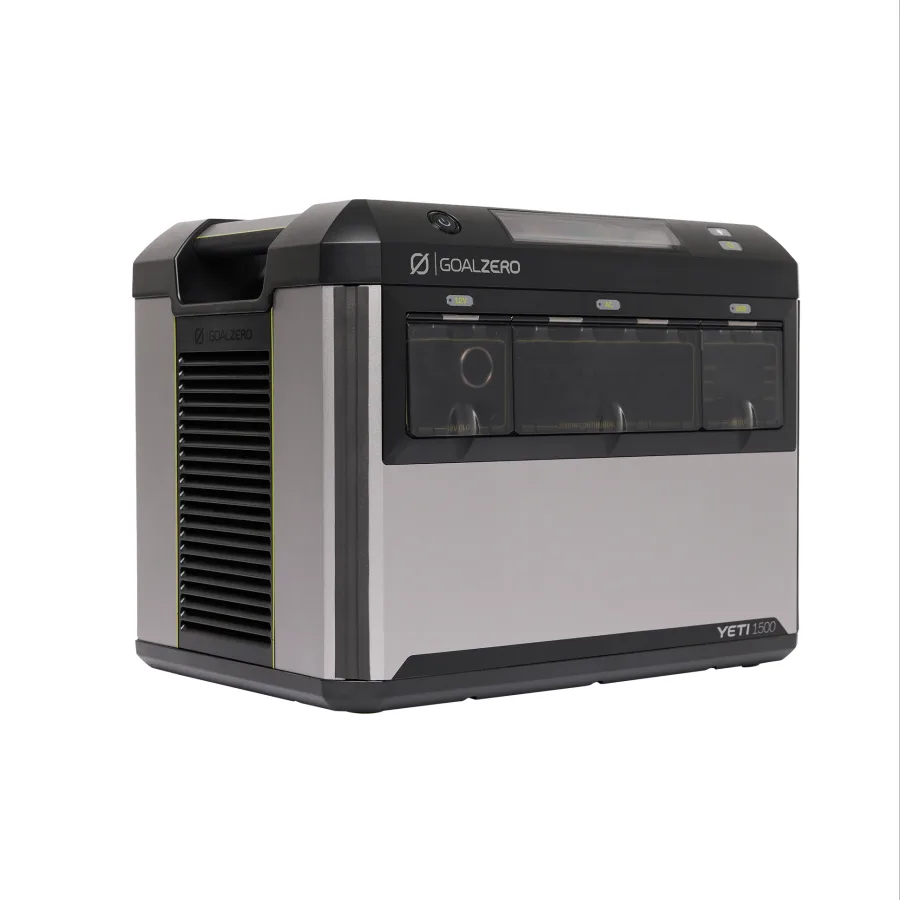
A 1,505 Wh LiFePO4 station rated for 2,000 W with four USB-C ports and 900 W solar input.
- Capacity: 1,505 Wh
- AC output: 2,000 W
- Battery: LiFePO4
- Cycle life: 4000 cycles to 80%
Why it is here: Four USB-C ports include one at 140 W and one at 60 W.
- 11
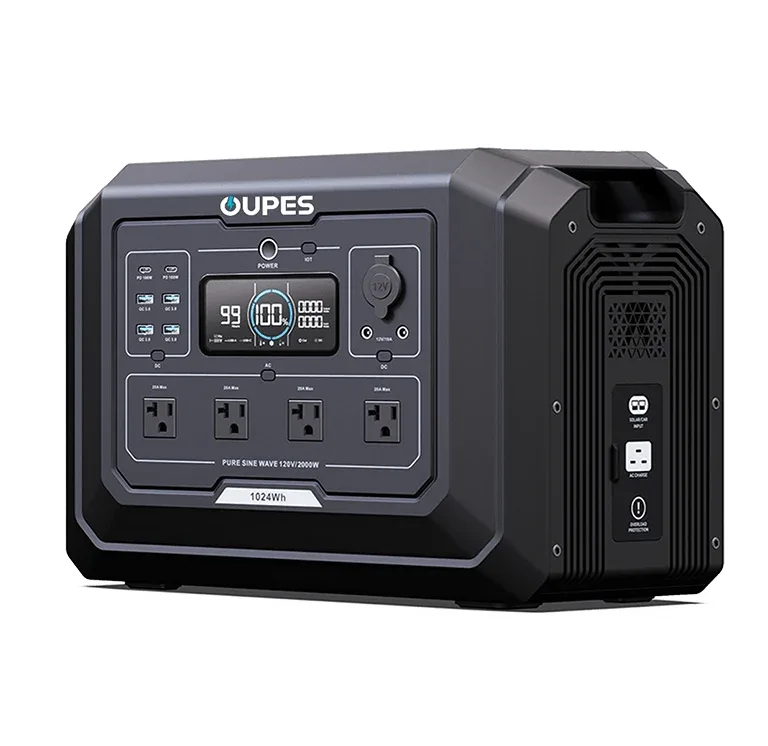
A 1,024 Wh LiFePO4 station rated for 2,000 W that the maker says fills in 36 minutes.
- Capacity: 1,024 Wh
- AC output: 2,000 W
- Battery: LiFePO4
- Cycle life: 3500+ cycles to 80%
Why it is here: The maker claims a full recharge in 36 minutes at 2,200 W of input.
- 12
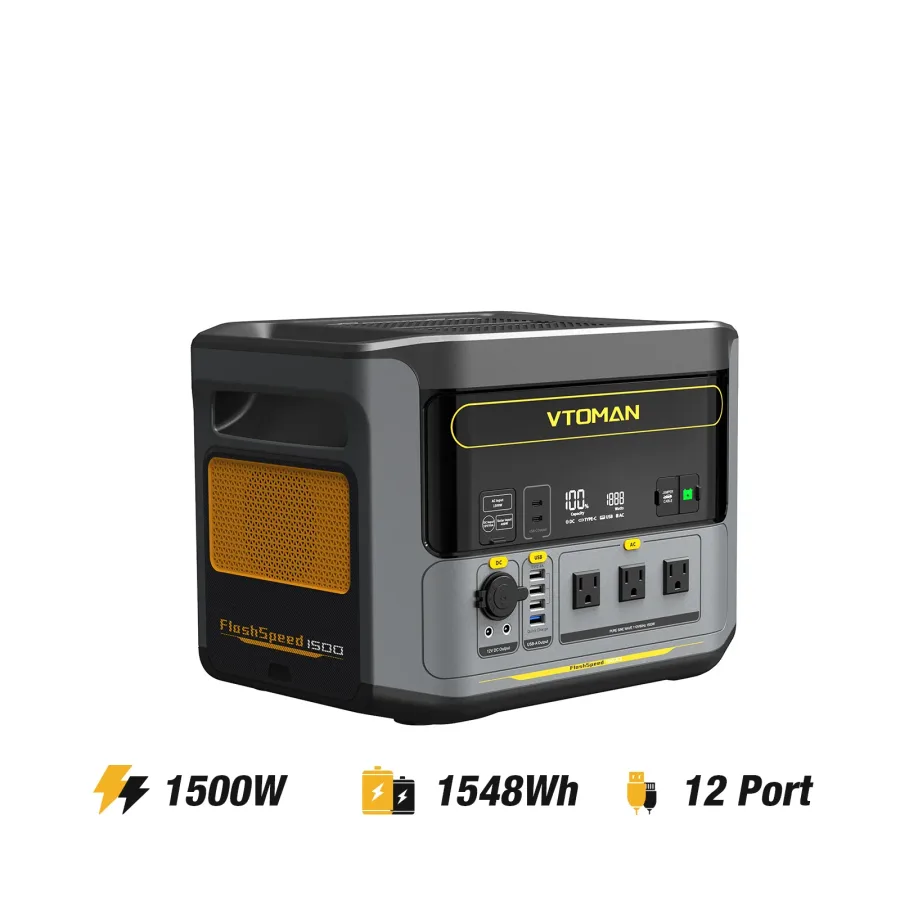
A 1,548 Wh LiFePO4 station rated for 1,500 W with 12 outputs and a one hour wall recharge.
- Capacity: 1,548 Wh
- AC output: 1,500 W
- Battery: LiFePO4
- Cycle life: 3000 cycles to 80%
Why it is here: Twelve outputs cover a lot of devices without a power strip.
- 13
A 1,024 Wh LFP station with dual 140 W USB-C ports and a 26 dB quiet mode.
- Capacity: 1,024 Wh
- Battery: LFP
- Cycle life: 4000 cycles to 80%
- AC outlets: 4
Why it is here: Dual 140 W USB-C ports charge two laptops at once.
- 14
A 2,048 Wh LiFePO4 station rated for 2,400 W with dual 140 W USB-C and 10 ms UPS.
- Capacity: 2,048 Wh
- AC output: 2,400 W
- Battery: LiFePO4
- Cycle life: 4000 cycles
Why it is here: The maker claims 9 W idle draw which helps when the unit sits on standby.
- 15
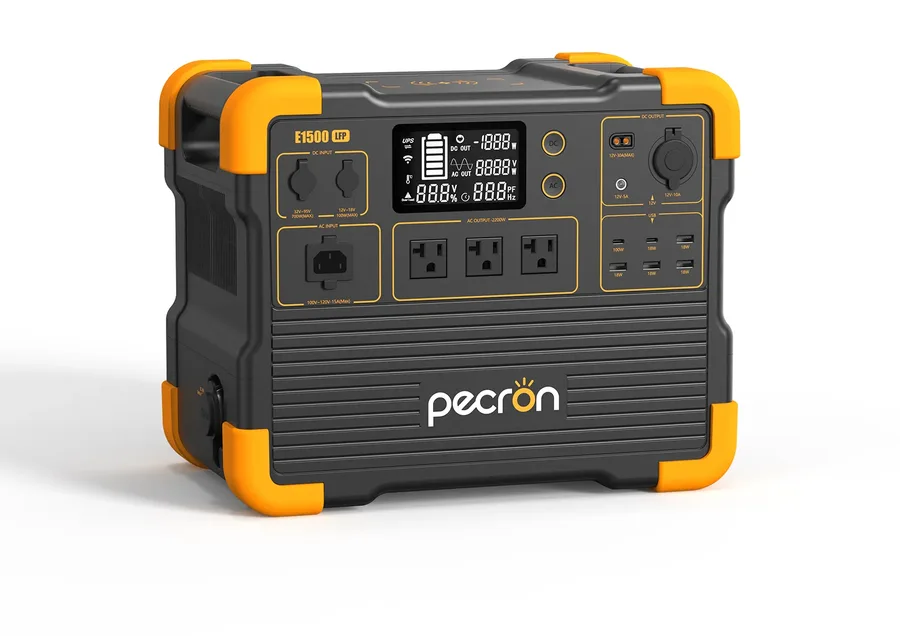
A 1,536 Wh LiFePO4 station rated for 2,200 W that expands to 9,216 Wh with extra batteries.
- Capacity: 1,536 Wh
- AC output: 2,200 W
- Battery: LiFePO4
- Cycle life: 3500+ cycles to 80%
Why it is here: Expansion to 9,216 Wh is listed for longer outages.
- 16
A 1,024 Wh LiFePO4 station rated for 6,000 cycles with 1,500 W output and 100 W USB-C.
- Capacity: 1,024 Wh
- AC output: 1,500 W
- Battery: LiFePO4
- Cycle life: 6000 cycles to 70%+
Why it is here: A 6,000 cycle rating to 70 percent means the pack outlasts a 4,000 cycle one on paper.
- 17
A 2,048 Wh LiFePO4 station rated for 2,400 W with 800 W solar input and an expansion port.
- Capacity: 2,048 Wh
- AC output: 2,400 W
- Battery: LiFePO4
- Cycle life: 6000 cycles to 70%+
Why it is here: A DC expansion port accepts extra battery packs per the maker.
Head-to-head comparisons
All power stations side by side
Specs from the makers. Scroll sideways on a phone to see every column.
| Model | Score | Capacity | AC output | Battery | Cycle lifemaker's rating | AC outlets | Solar input | UPS switchover | Weight |
|---|---|---|---|---|---|---|---|---|---|
| EcoFlow DELTA Pro 3 | 9.3 | 4,096 Wh | 4,000 W | LFP | 4000 cycles to 80% | - | 2,600 W | 10 ms | 113.5 lb (51.5 kg) |
| Anker SOLIX C1000 Gen 2 | 9.2 | 1,024 Wh | 2,000 W | LiFePO4 | 4000 cycles to 80% | - | 600 W | 10 ms | - |
| EcoFlow DELTA 3 | 9.1 | 1,024 Wh | 1,800 W | LFP (LiFePO4) | 4000 cycles to 80%+ | 6 | 500 W | 10 ms | 27.6 lb (12.5 kg) |
| BLUETTI Elite 200 V2 | 9.1 | 2,073.6 Wh | 2,600 W | LiFePO4 | - | 4 | 1,200 W | - | 53.4 lb (24.2 kg) |
| EcoFlow DELTA 3 Plus | 8.9 | 1,024 Wh | 1,800 W | LFP (LiFePO4) | 4000 cycles to 80%+ | 6 | 1,000 W | 10 ms | 27.6 lb (12.5 kg) |
| EcoFlow DELTA 3 Max | 8.8 | 2,048 Wh | 2,400 W | LFP (LiFePO4) | - | - | 500 W | 10 ms | 44.8 lb (20.3 kg) |
| Jackery Explorer 1000 v2 | 8.8 | 1,070 Wh | 1,500 W | LiFePO4 | 4000 cycles to 70%+ | 3 | 400 W | - | 23.8 lb (10.8 kg) |
| EcoFlow RIVER 3 Plus | 8.6 | 286 Wh | 600 W | LiFePO4 | 3000 cycles to 80% | 3 | 220 W | 10 ms | 10.4 lb (4.7 kg) |
| Jackery HomePower 3600 Plus | 8.5 | 3,584 Wh | 3,600 W | LiFePO4 | 6000 cycles to 70%+ | 5 | 1,000 W | - | 77.16 lb (35 kg) |
| Goal Zero Yeti 1500 | 8.4 | 1,505 Wh | 2,000 W | LiFePO4 | 4000 cycles to 80% | - | 900 W | 15 ms | 52.75 lb (23.9 kg) |
| OUPES Mega 1 | 8.3 | 1,024 Wh | 2,000 W | LiFePO4 | 3500+ cycles to 80% | - | - | - | - |
| VTOMAN FlashSpeed 1500 | 8.2 | 1,548 Wh | 1,500 W | LiFePO4 | 3000 cycles to 80% | 3 | - | 20 ms | 41.4 lb (18.8 kg) |
| DJI Power 1000 V2 | 8.1 | 1,024 Wh | - | LFP | 4000 cycles to 80% | 4 | - | 10 ms | 31.3 lb (14.2 kg) |
| Anker SOLIX C2000 Gen 2 | 7.8 | 2,048 Wh | 2,400 W | LiFePO4 | 4000 cycles | - | - | 10 ms | 41.7 lb (18.9 kg) |
| PECRON E1500LFP | 7.6 | 1,536 Wh | 2,200 W | LiFePO4 | 3500+ cycles to 80% | - | 1,000 W | - | - |
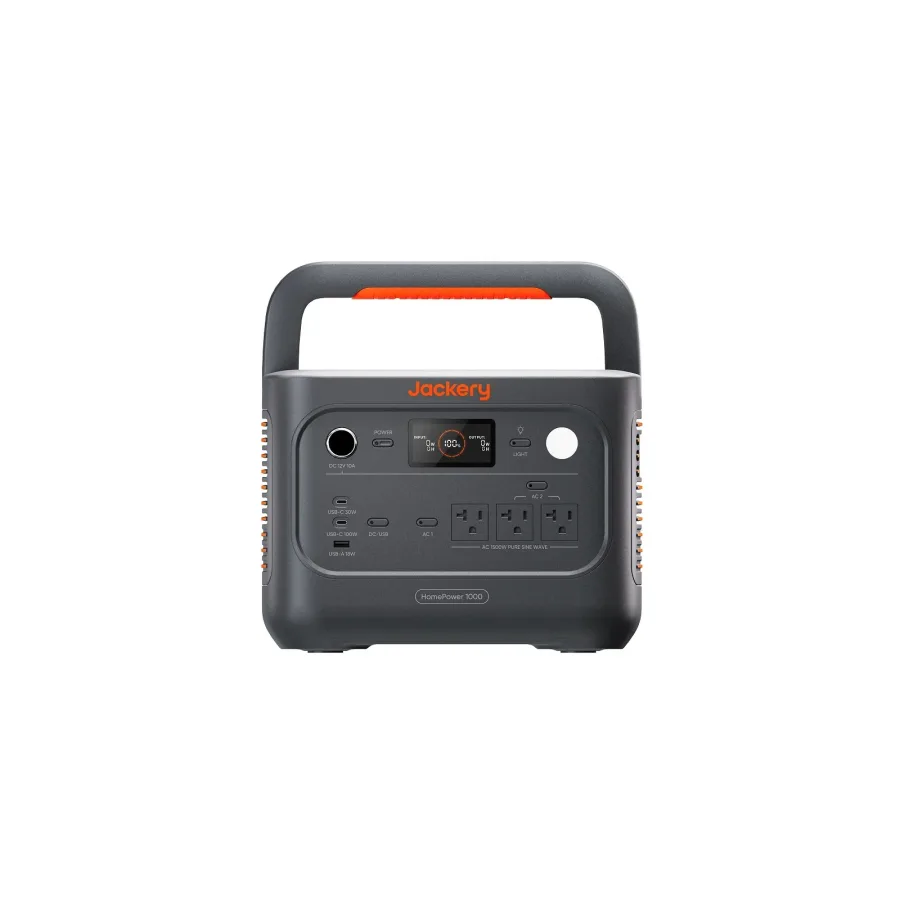
| Jackery HomePower 1000 v2 | 7.2 | 1,024 Wh | 1,500 W | LiFePO4 | 6000 cycles to 70%+ | 3 | - | 10 ms | 23.4 lb (10.6 kg) |
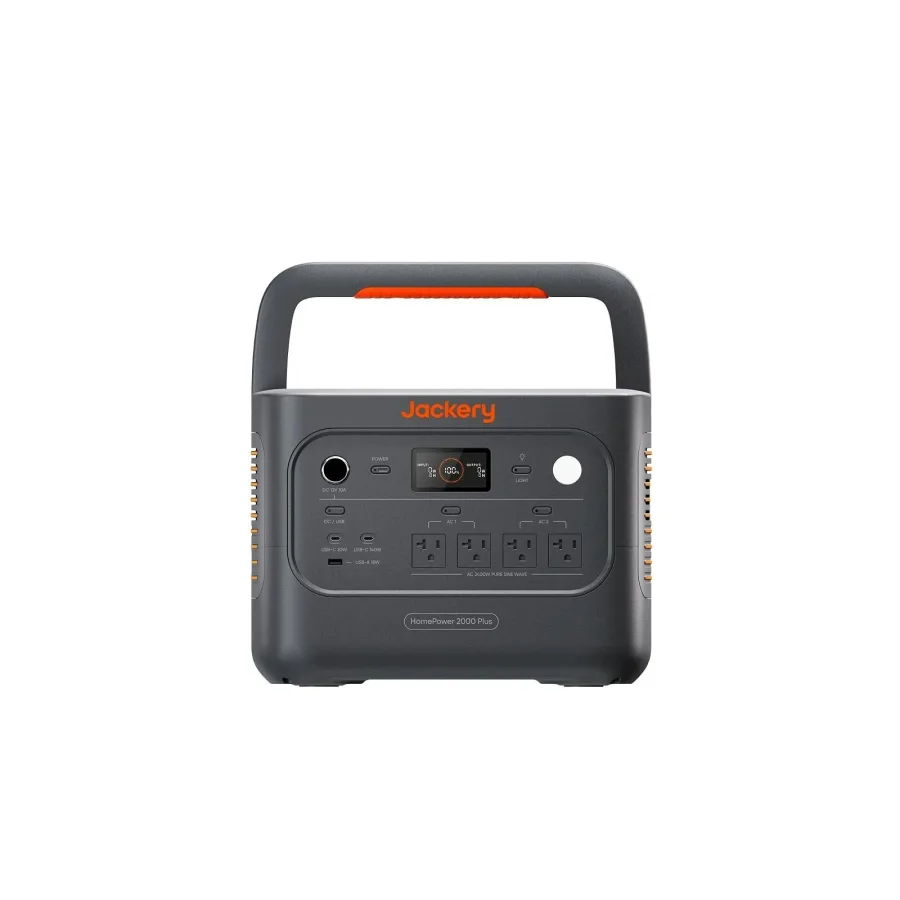
| Jackery HomePower 2000 Plus v2 | 6.9 | 2,048 Wh | 2,400 W | LiFePO4 | 6000 cycles to 70%+ | 4 | 800 W | - | 41.45 lb (18.8 kg) |
Frequently asked questions
Can a portable power station be used as a UPS?
Many units here list a UPS mode with a switchover time from the maker. The EcoFlow DELTA 3 models and the RIVER 3 Plus list 10 ms. The Anker SOLIX Gen 2 units and the DJI Power 1000 V2 list 10 ms too. Goal Zero lists under 15 ms and VTOMAN under 20 ms. The Jackery Explorer 1000 v2 and the BLUETTI Elite 200 V2 give no figure.
What size portable power station do I need?
Two figures matter. Capacity in Wh sets how long devices run and output in watts sets what can run. Units on this list run from 286 Wh to 4,096 Wh. Continuous output runs from 600 W to 4,000 W where the maker lists it. Add up the wattage of what you want to run at once. Then pick a unit whose continuous rating sits above that total.
Is a portable power station the same as a generator?
No. A portable generator burns fuel. The CPSC warns never to run one indoors or in a garage because it produces carbon monoxide. A power station is a battery with an inverter and outlets. Most units here list charging from the wall and from solar panels. Ready.gov advises planning for batteries and other alternative power sources in an outage. Every unit on this list runs on a battery.
LiFePO4 vs lithium ion: what is in these units?
Every unit on this list uses LiFePO4 cells. The cycle ratings listed run from 3,000 to 6,000 cycles. Jackery lists 6,000 cycles for its HomePower models. The Goal Zero Yeti 1500 replaces an older NMC model per the data. A cycle rating is a maker claim. It usually comes with the capacity the pack keeps at that point such as 70 or 80 percent.
Shopping in the UK or Ireland? See the UK shortlist of power stations
Some links on this site are affiliate links. If you buy something after clicking one, the store may pay us a commission. The price stays the same for you, and commissions do not decide which emergency supplies we recommend. Specs come from the makers; range and battery life are their claims. Our method.